Tracing Pathways of Software Innovation in Portable Interfaces for Card and Wheel Simulations
Vera Becker · Jun 2, 2026
Tracing Pathways of Software Innovation in Portable Interfaces for Card and Wheel Simulations
Software innovation in portable interfaces for card and wheel simulations has followed distinct pathways since the early days of mobile computing, with developers adapting desktop algorithms to touch-based systems that handle real-time interactions. These pathways trace through advances in rendering engines, gesture recognition, and network protocols that allow simulations of poker hands or roulette spins to run smoothly on handheld devices. Data from industry reports shows that mobile gaming interfaces now account for a growing share of simulation traffic, driven by hardware improvements in processors and displays.
Early Development Stages in Mobile Simulation Software
Initial efforts in the 2000s focused on porting basic card game logic to early smartphones, where limited screen sizes forced simplified graphics and turn-based mechanics. Wheel simulations faced similar constraints, relying on static images rather than fluid animations until dedicated graphics libraries emerged. Researchers at various institutions documented how Java ME and early Flash platforms served as foundations, though cross-device compatibility remained a persistent hurdle. By the mid-2010s, the shift to HTML5 and WebGL opened new routes for developers, enabling consistent performance across operating systems without native app dependencies.
Portable interfaces gained precision through multi-touch APIs that translated finger movements into card drags or wheel spins, and studies on human-computer interaction highlighted how these changes reduced input latency. Figures from regulatory filings in multiple jurisdictions indicate rising adoption rates for such interfaces in licensed gaming environments.
Core Technologies Driving Current Innovations
Modern pathways emphasize physics-based engines that calculate card shuffles and wheel outcomes with high accuracy, incorporating random number generators certified under standards set by bodies like the Nevada Gaming Control Board. Portable interfaces now integrate accelerometer data for tilt-controlled interactions, while cloud synchronization ensures session continuity across devices. Observers note that machine learning models have entered the picture to predict user patterns and optimize interface layouts dynamically.
Card simulations particularly benefit from layered rendering techniques that separate foreground elements like playing cards from background tables, allowing independent scaling on different screen resolutions. Wheel simulations rely on particle systems for realistic ball trajectories and deceleration curves that match physical counterparts. In June 2026, several development teams plan to showcase updated toolkits at industry gatherings, incorporating WebAssembly modules for faster execution of simulation cores on portable hardware.
Interface Adaptations for Specific Simulation Types
Developers have refined touch zones and haptic feedback loops to distinguish between card selections in multi-player scenarios and precise betting placements on wheel layouts. These adaptations emerged from iterative testing cycles documented in technical papers from engineering departments at universities across North America and Asia. Portable interfaces for card simulations often feature drag-and-drop mechanics with collision detection, whereas wheel versions prioritize rotational input handling and visual cue timing.
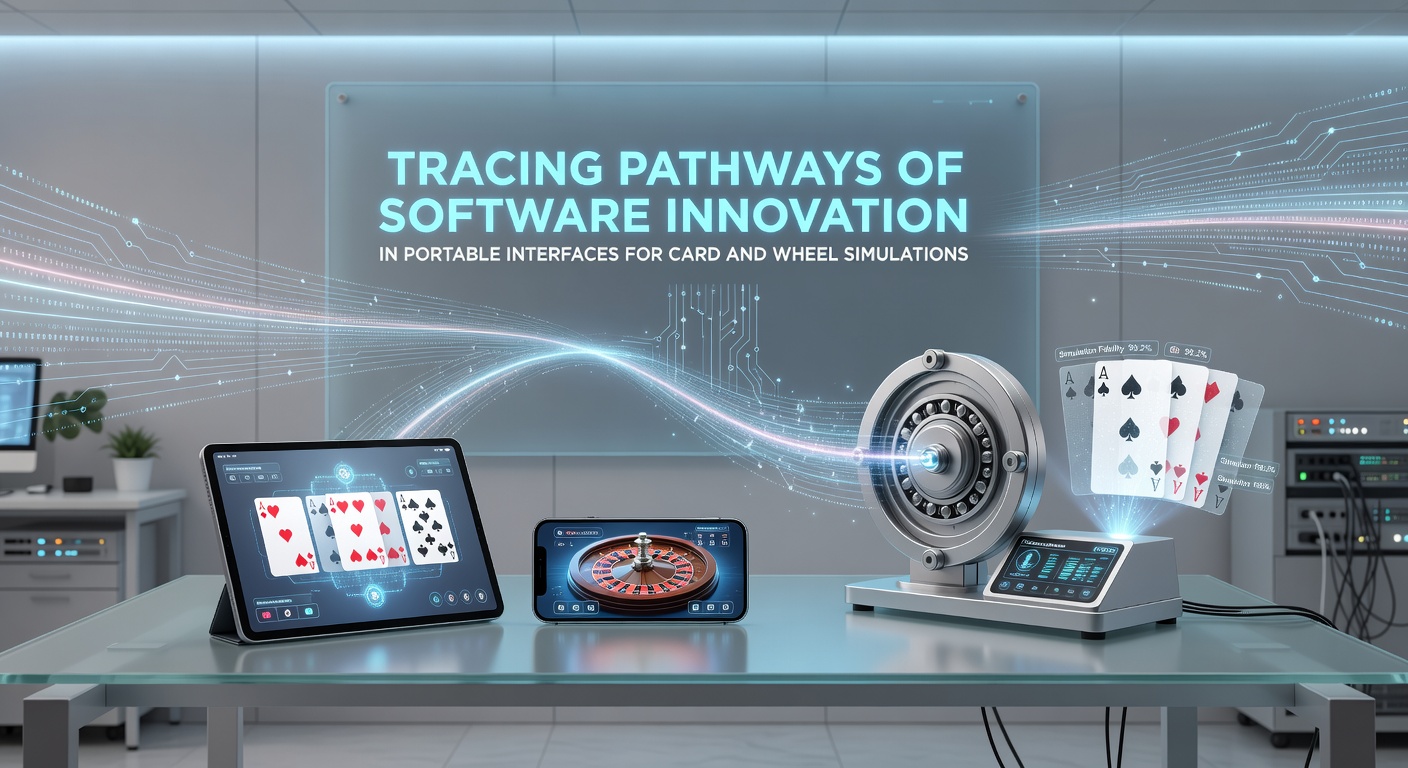
Network pathways support low-latency streaming of simulation states, which proves essential when multiple users interact with shared virtual tables. Evidence from Australian research centers suggests that edge computing deployments have shortened response times in regional tests. Those working on these systems continue to address battery consumption through optimized draw calls and background process management.
Regulatory and Standards Influences on Software Pathways
Compliance requirements from organizations such as the Malta Gaming Authority have shaped interface designs by mandating clear display of probabilities and outcome histories. Similar guidelines from Canadian provincial regulators emphasize accessibility features like adjustable text sizes and color contrast ratios for portable applications. These frameworks guide how simulation software records and presents data without altering core random processes.
Academic collaborations have produced reports on interface usability, including one analysis from European research networks that examined gesture accuracy across age groups. Such findings feed back into development cycles, refining portable controls for broader user bases.
Emerging Trends and Integration Points
Integration with augmented reality overlays represents one active pathway, where camera feeds combine with card or wheel overlays on portable screens. Data indicates that 5G connectivity supports more complex particle effects in wheel simulations without frame drops. Teams continue exploring blockchain elements for verifiable outcome logs, though implementation varies by jurisdiction.
What's notable is the convergence of these technologies around unified development platforms that reduce duplication between card and wheel modules. External partnerships with hardware manufacturers have accelerated sensor integration, allowing interfaces to respond to pressure sensitivity in newer device models.
Conclusion
Pathways of software innovation in portable interfaces for card and wheel simulations continue to evolve through combined advances in graphics, input handling, and compliance frameworks. Ongoing work in June 2026 and beyond will likely build on existing foundations, incorporating new hardware capabilities while maintaining certified simulation integrity. These developments reflect systematic progress documented across regulatory filings, technical studies, and industry implementations worldwide.